

Global Tourism Forum 2025 – Brussels
Flora Xhemani Baba
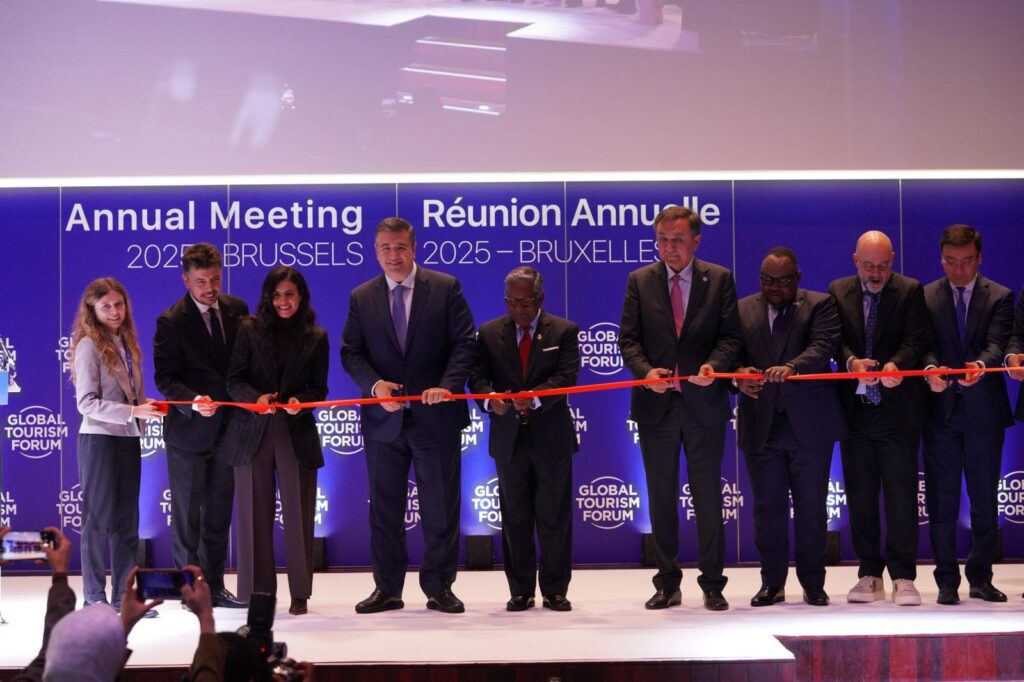
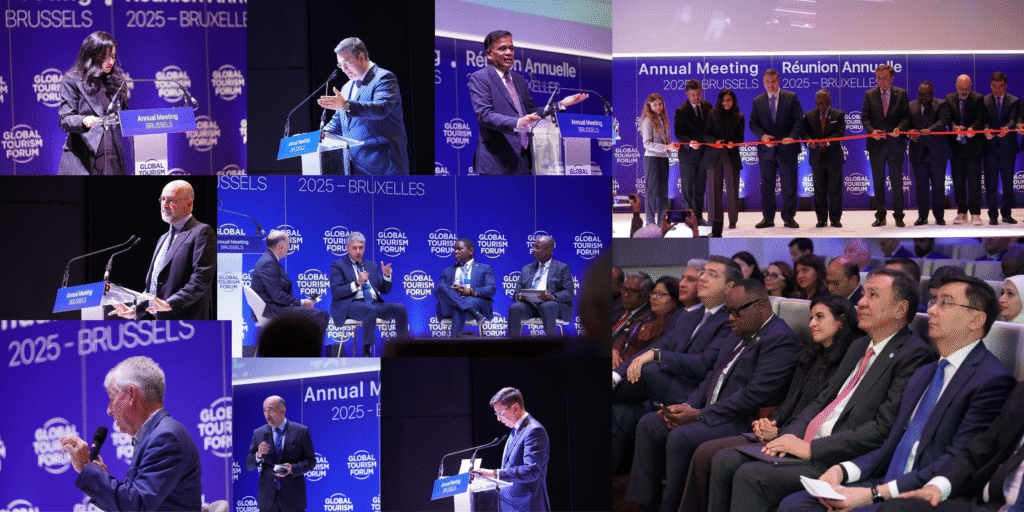
For the fifteenth consecutive year, and the fifth time in Brussels, the Global Tourism Forum gathered world leaders, policymakers, experts, and industry representatives in a meeting that sought to understand the direction of global tourism.
The forum brought together visions, reshaped contours, and set the course for an industry that now influences not only economies but also how humanity travels, experiences, and impacts the world.
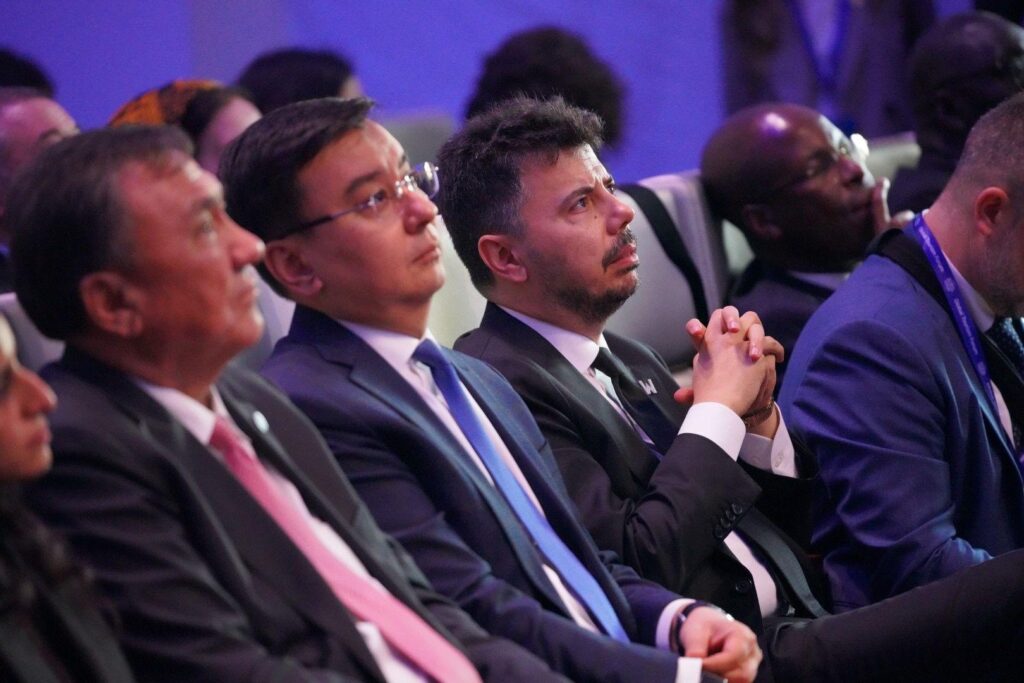
Among the key figures present were Bulut Bağcı, President of the World Tourism Forum Institute; Shaikha Al Nowais, Secretary General of UN Tourism; Hala Matar Choufany, President of HVS Middle East, Africa & South Asia; Michael B. Christides, former Secretary General of the Black Sea Economic Cooperation; Abid Butt, Group CEO of Assets Group; Martin Boyle, CEO of IAPCO; Jean Jacques Morin, Group Deputy CEO of Accor; and other ministers, heads of national tourism boards and senior private sector executives from more than 70 countries.
This year’s discussions revolved around sustainability, technology, and social responsibility — three pillars defining a new era in tourism. Brussels made it clear that tourism is no longer merely an economic mechanism; it has become a tool for establishing new balances between development, ethics, and technology.

Tourism in a Restructuring Phase
At the heart of the conversations was the recognition that tourism has entered a period of deep restructuring, where every link – from urban planning to traveler experience – is being redesigned.
Growth for the sake of numbers is no longer sufficient. Destinations, companies, and platforms that fail to adapt to this new logic risk being left behind.

Within this context, technology emerged as a transformative force. Artificial intelligence is entering tourism as a tool to improve forecasting, experiences, and resource management, but it also carries the risk of deepening inequalities between those with access and those without.
The prevailing message was clear: AI should serve sustainability, not dominate it. A tool that helps humans better understand the consequences of every trip, investment, and decision affecting the environment and communities.
Sustainability as an economic imperative
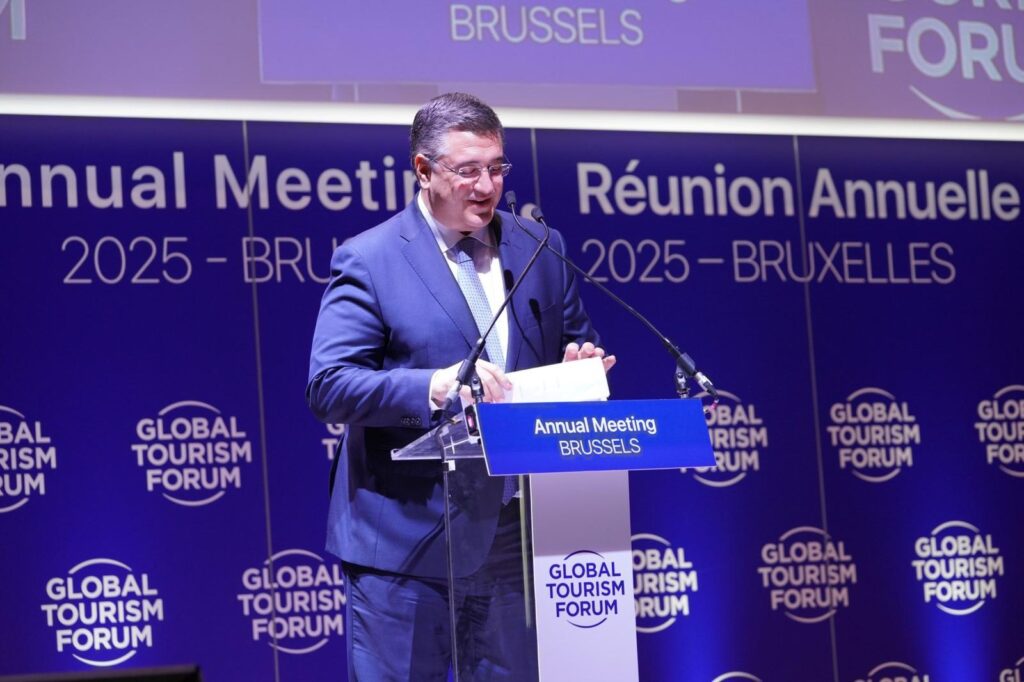
Throughout the forum, the principle was repeatedly emphasized: sustainability is no longer an ethical choice but an economic necessity.
Global markets demand it, investors demand it, travelers demand it.
From green tourism to climate-resilient destinations, from promoting local agriculture to community inclusion, all aspects of tourism are now evaluated through the lens of genuine sustainability, not marketing slogans.
The forum highlighted that countries that view this transformation as a burden rather than a strategy risk losing competitiveness. Conversely, those investing today in clean energy, digital skills, and inclusive tourism will be the leaders of a rapidly changing market.
From investment to responsibility
A central theme was the relationship between capital and responsibility.
Global tourism is shifting from a short-term profit model to one that measures the social and environmental value of investments.
Investments are increasingly assessed for their impact on local economies, job creation, heritage preservation, and environmental protection.
This approach positions tourism as a development tool with long-term impact.
Instead of centralized grand plans, smart micro-projects tied directly to local realities are gaining prominence.
Tourism is becoming an interactive ecosystem, where economy, technology, and culture complement rather than compete with each other.

Technology as a bridge, not as a barrier
The use of artificial intelligence in tourism raises critical questions about ethics, privacy, and equity.
In Brussels, the prevailing view was that technological development cannot occur without human-centered inclusion.
Digital transformation must be inclusive and fair; otherwise, it risks creating a new gap between those with access to data and those without.

Intelligent technology should help in better destination planning, efficient resource use, and personalized travel experiences while preserving the human essence of travel.
This challenge will shape not only how we travel but also how we coexist in a world that demands new rhythms and interactions.
Tourism and new global balances
In the background of such international forums, the pressures of the modern world are evident: conflicts, humanitarian crises, and economic uncertainties.
Tourism is not separate from these developments; it is directly affected and often becomes a barometer of global stability.
Discussions in Brussels revealed a new reality: the tourism economy is becoming multipolar.
Asian markets, Gulf countries, Africa, and Latin America are increasingly influencing global trends.
This shift presents real opportunities for regions like the Balkans and Southeastern Europe, which can position themselves as bridges of intercultural and economic cooperation.
The region has the potential to become a testing ground for new tourism models — where history, culture, and nature combine to offer authentic, sustainable, and personalized experiences.
If the Balkans can embrace technology without losing its soul, it could serve as an example for a new way of thinking about tourism.
Toward a new paradigm
Ultimately, the Brussels forum did not provide quick fixes, but it emphasized an undeniable fact: tourism cannot turn back.
It is entering a new era, where success is no longer measured by tourist numbers or overnight stays but by the impact left behind.
Leaders and institutions must build long-term and flexible strategies that respond to climate change, economic crises, and social challenges.
Tourism has become an indicator of how we govern, collaborate, and envision the future.
Conclusion – in personal perspective
Tourism has changed. The future of tourism is also changing.
As we aim for a sustainable and responsible tourism sector in a world facing major challenges – from wars to social uncertainties and climate crises – a fundamental question remains:
Can we build a tourism that truly serves local communities and the society of tomorrow?
